


Cement Storage Silo Design: What You Need to Know Before Construction
In concrete production, quarrying, and mining operations, bulk material handling depends on reliable storage systems. One of the most critical components in this process is the cement silo. Understanding the principles of effective cement storage silo design ensures materials are stored safely, protected from contamination, and readily available for batching or blending when required.
If you are planning a new plant or upgrading existing facilities, call us today on 07 3879 3288 or get in touch through our online form to discuss silo options and purchasing enquiries.
What are Cement Storage Silos?
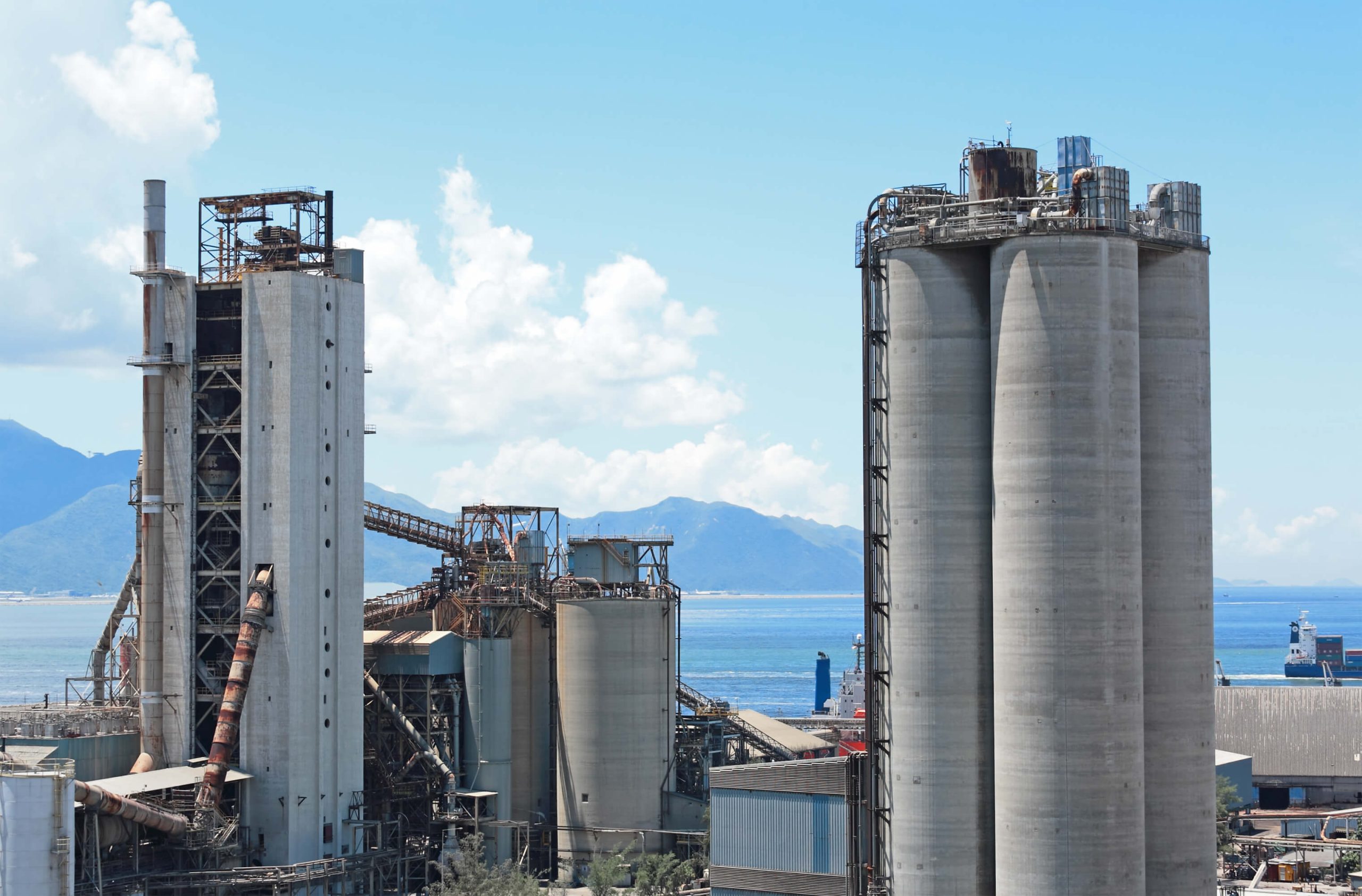
Cement silos are specialised storage structures designed to hold bulk powdered materials such as cement, fly ash, or lime. They play a central role in batching plants, quarries, and large-scale construction projects by protecting stored products from moisture and environmental exposure. Well-executed cement storage silo design helps preserve product integrity, reduces operational downtime, and ensures a consistent feed into mixers or processing systems.
Without properly designed silos, materials can clump, degrade, or fail to discharge effectively, leading to higher maintenance costs and production inefficiencies. This makes silo design a crucial consideration for plant operators.
Why Cement Storage Silo Design Matters
The purpose of a silo goes beyond containment. A well-engineered design should:
- Maintain the quality and flow characteristics of the stored material.
- Reduce the risk of blockages and downtime.
- Allow safe filling and discharge under variable load conditions.
- Meet compliance standards for structural integrity and workplace safety.
When assessing cement storage silo design, operators must consider how the system integrates into the wider plant, from conveyors and batching equipment to dust collection systems. Poor integration can create bottlenecks that slow production and increase costs.
Important Factors in Cement Storage Silo Design
Several key factors determine whether a silo will operate effectively across its service life:
1. Capacity and Dimensions
Sizing a silo correctly is the foundation of good design. Undersized silos can cause supply interruptions, while oversized silos may add unnecessary cost. Capacity should align with batching cycles, supply logistics, and peak production demands.
2. Structural Integrity
Silos must be engineered to withstand external loads such as wind and seismic activity, as well as internal pressures from filling and discharge. Compliance with local design codes and safety standards is essential.
3. Flow Efficiency
Material flow is at the heart of cement storage silo design. Hoppers, cone angles, and aeration systems must be optimised to prevent bridging, rat-holing, or inconsistent discharge rates. Flow aids such as fluidising pads or vibration systems are often incorporated.
4. Environmental Protection
Because cement and other powders are highly sensitive to moisture, silos should incorporate weatherproofing, appropriate sealing, and efficient dust collection systems. This protects product quality and minimises environmental emissions.
5. Safety Features
Safe access ladders, platforms, pressure relief valves, and monitoring systems should all form part of modern silo construction. These features reduce risks during filling, inspection, and maintenance.
6. Integration with Plant Systems
The best cement storage silo design considers how the silo interacts with feeders, weigh hoppers, and pneumatic transfer systems. A well-integrated silo keeps materials moving smoothly through the plant, supporting higher productivity and lower maintenance costs.
Choosing the Right Partner
Selecting experienced silo manufacturers ensures these design factors are built into your project from the outset. With more than 50 years of engineering experience, CMQ Engineering is a trusted mining engineering company delivering turnkey solutions across concrete, quarrying, mining, and agricultural sectors. From design and fabrication to installation and commissioning, we ensure silos and supporting systems are tailored to the unique needs of Australian operations.
 English
Sorry, the comment form is closed at this time.